From the archive
A one-hour trial for a camera you might actually carry
Take a familiar route, change a setting, review a file and record the whole kit before deciding what to buy.
The Camera Notebook ·
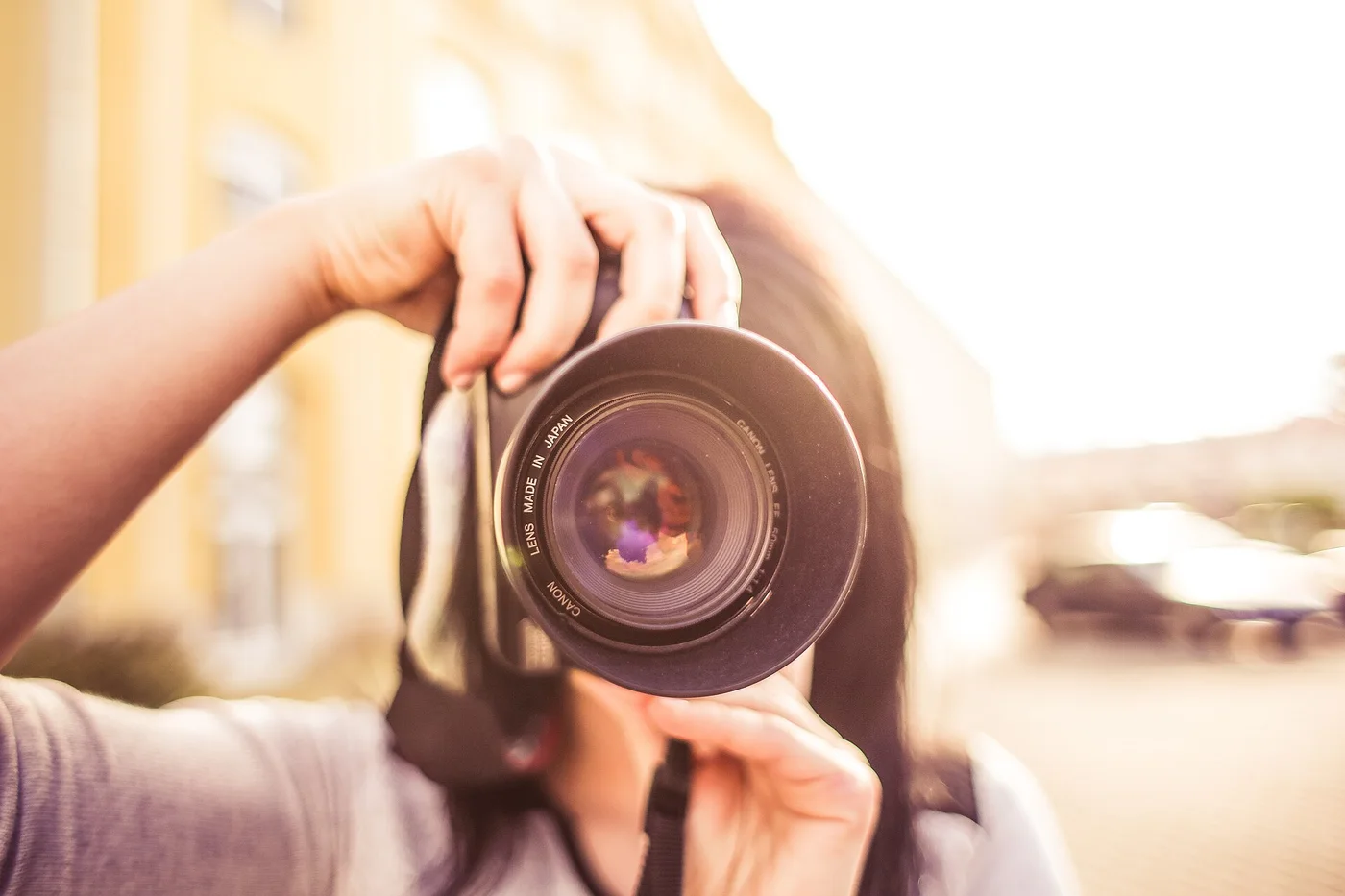
Give a prospective kit a small real job. Borrowing, renting or a supervised shop trial can answer practical questions that a specification list leaves open. Agree what you are allowed to do, protect borrowed equipment and choose an ordinary nearby setting. This is a procedure for your own decision, not a Camera Notebook test of a named product.
Before the hour: make the kit usable
Write the exact body, lens and any adapter on one line. Confirm the battery, charging method and recording media. Find the relevant instructions before changing unfamiliar settings. Keep the seller’s or owner’s files intact, and use your own compatible card only with permission. A picture of a package does not establish what it includes.
Manufacturer pages help separate the package from the system. The Canon EOS R50 support page leads to that camera’s documentation; Nikon’s Z50II page names a particular product configuration. Check the actual offer separately, including regional model and lens. Neither reference makes every lens from that brand compatible.
Minutes 0–15: carry it and find the controls
Use the strap and carrying method correctly, following the owner’s or manufacturer’s instructions. Hold the camera in both landscape and portrait orientation. Try reaching the shutter, changing one exposure setting and moving or selecting a focus area. If you use glasses, check the viewing arrangement with them on. Record a specific awkward action rather than assigning an unexplained comfort score.
Minutes 15–35: make the picture you came for
Choose a scene you know: a table near a window, a doorway with an object in front, or a familiar view on a short walk. Stay out of traffic and respect people’s privacy. Make the photograph from the space actually available. With a zoom, note the actual focal length. With one prime, note whether a wall or other obstacle stops you reaching the framing you want.
Keep the trial repeatable. Make a wide and tight frame from the same position, then deliberately move for a third. Use the three-frame exercise rather than changing every setting at once. Record the light and whether the subject moved, so a blurred result does not become an unsupported judgment about the camera.
Minutes 35–50: finish one file
Review a frame and magnify it using the camera’s instructions. Then follow one file through your actual transfer and viewing process where the trial allows it. If you want RAW capture, check support for the exact model in your editor. If immediate sharing matters, make sure you can deliver the format and size you need. Do not count a feature as useful until you can perform your own next step.
Minutes 50–60: write the decision
Keep five lines: the picture you tried; the complete body and lens; the working distance and focal length; the action that helped; and the problem that remained. Add the missing accessories and their actual quoted costs when comparing offers. Leave unknown costs blank. An expensive kit that stays home and a cheaper kit that cannot make the required frame have different limitations; name yours clearly.
- I recorded exact body, lens and included accessories.
- I tried the controls and orientation I use.
- I made a photograph from my real working space.
- I finished one file through my usual workflow.
- I can name one reason to choose this kit or keep what I own.
Use the first-camera checklist before a purchase, especially for used equipment. For further practice without changing gear, choose one lesson in the photography learning directory.
Sources
Related equipment and reading
Composition reading for reviewing the photographs from your trial. Keep the kit you own if it already does the job.
As an Amazon Associate I earn from qualifying purchases. These are optional references, not product tests or live offers.
The Photographer’s Eye · Definitive Edition · Paperback
Michael Freeman’s definitive paperback is a composition-reading companion for comparing frame edges. It has no lens-mount or body requirement.
Michael Freeman’s definitive edition, paperback ISBN 9781840918878. Keep it separate from the ebook and earlier editions.
Lens and mount checks · Rehearse on a kit zoom · Try the field exercise